
 +86-020-8551-8689
 export@joydell.com
 GuangDong, China




Client Visits
Home
>
Client Visits

 2025-12-16
 823
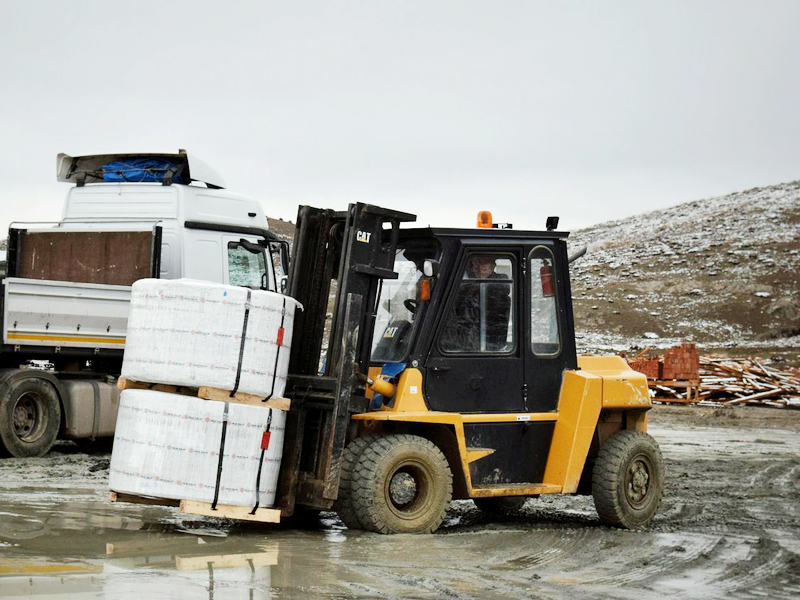
823The latest industry statistics reveal that China's forklift sales reached 114,300 units in October 2025, achieving double-digit year-on-year growth. Domestic sales surged by 16.2% year-on-year, while export sales increased by 15.4%. Cumulative sales from January to October exceeded 1.22 million units, marking a 14.2% year-on-year rise, as the industry maintains a steady upward trajectory.
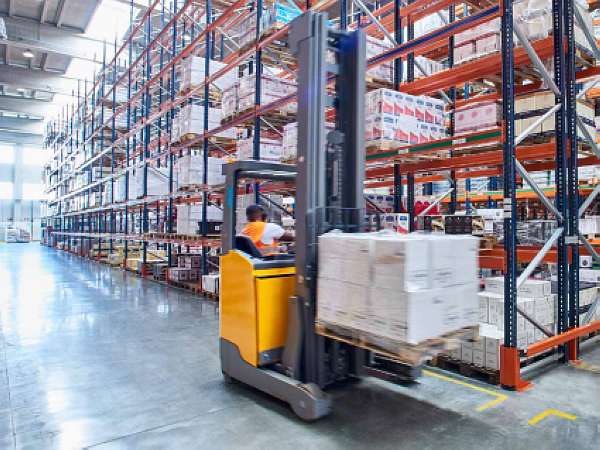
Amid sustained demand growth, breakthroughs in new energy technologies, intelligent upgrades, and business model adjustments are propelling the forklift industry into a new phase of structural transformation. “Green + Smart” has become the core development trajectory.
Accelerated Penetration of New Energy
With the deepening advancement of the “dual carbon” goals, new energy forklifts are transitioning from supplementary roles to mainstream choices.
First, hydrogen-powered forklifts have entered a phase of large-scale application. Recently, Hangcha Group completed the bulk delivery of 108 units of 3.5-ton hydrogen forklifts. These products offer advantages such as zero emissions, short refueling times (approximately 1.5 hours), and a single charge lasting up to 10 hours, effectively meeting the demands of high-intensity, long-duration continuous operation scenarios.
Second, charging infrastructure technology continues to evolve. The industry anticipates industrial charging stations will exceed 150,000 units, with 120kW fast-charging equipment capable of completing a charge in about 1.5 hours. The adoption of liquid-cooled ultra-fast charging technology and integrated “photovoltaic-storage-charging” power stations has reduced unit electricity costs by approximately 0.15 yuan, supporting the large-scale deployment of electric forklifts.
Third, battery swapping models are accelerating implementation. Standardized swapping solutions are maturing, with single-swap times reduced to under 3 minutes and individual stations capable of servicing approximately 80 forklifts. Data indicates that standardized swapping modules can shorten project payback periods to 3.8 years. The Yangtze River Delta region has preliminarily established a “3-kilometer swapping service circle,” demonstrating significant pilot effects.
Continuous Breakthroughs in Intelligence
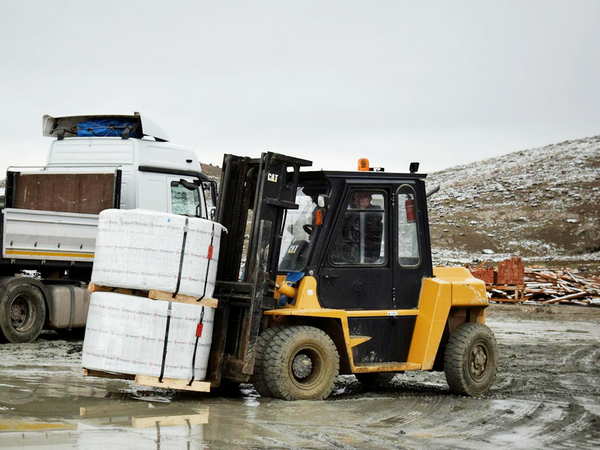
Under dual pressures of logistics efficiency and labor costs, intelligent solutions have become a key development direction for forklifts and warehouse equipment.
Recently, Hangcha unveiled its X1 logistics humanoid robot, combining wheeled mobility with humanoid operation to expand the application boundaries of traditional material handling equipment. Concurrently, the market for autonomous forklifts continues to grow, projected to increase from approximately 10 billion yuan today to 30 billion yuan by 2030.
Technologically, 5G remote control now achieves millisecond-level response times, while AOA positioning accuracy has improved to sub-meter levels. System solutions like Huawei's “Intelligent Charging Brain,” combined with digital twin technology, can boost overall warehouse energy efficiency to 92% and increase sorting efficiency by approximately 40%, providing system-level solutions for smart warehousing.
Intensifying Competition in the Rental Market
The forklift rental market continues to expand. By 2024, the industry scale exceeded 12 billion yuan, yet competition has significantly intensified. Taking 3-ton internal combustion forklifts as an example, monthly rental rates have dropped from 3,000 yuan to around 1,500 yuan. Market concentration continues to rise, with leading enterprises capturing over 60% of the market share.
Against this backdrop, enterprises of different scales are pursuing differentiated development paths:
· Leading companies are accelerating the deployment of integrated “warehousing + distribution + rental” services, focusing on specialized scenarios such as cold chain and pharmaceutical logistics.
· Small and medium-sized enterprises are enhancing capital efficiency by targeting third- and fourth-tier cities and niche vehicle demands, adopting asset-light operations and financial leasing models.
· Electric forklift rentals now account for 44.1% of the market, with standardized charging infrastructure and battery residual value management becoming critical factors for profitability enhancement.
Diverse Tracks Foster New Growth Points
Industry consensus projects the forklift and related industries to exceed RMB 280 billion in market size by 2030. New energy infrastructure development, intelligent warehousing systems, and used equipment remanufacturing are identified as the three core growth areas.
Among these, integrated “photovoltaic-storage-charging-swapping” power stations are projected to account for over 40% of the market. Remanufactured forklifts can reduce costs by approximately 40% while achieving carbon reduction of about 4.8 tons per unit. Chinese forklift brands continue to expand their overseas penetration, with companies like BYD deploying over 200 charging stations across European and American markets, accelerating their internationalization efforts.
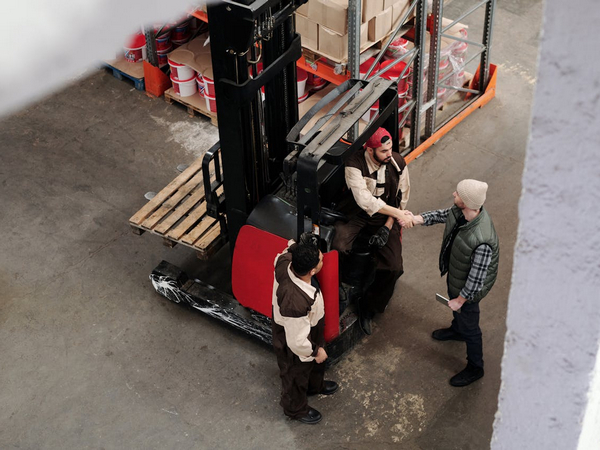
Overall, the forklift industry is undergoing a critical transition from scale expansion to high-quality development. A new industrial landscape is rapidly taking shape, anchored by new energy, driven by intelligent technology, and supported by innovative service models.





 +86-020-8551-8689
 +86-020-8551-8689
 +86-18939862805
+86-13959261266
+86-15959237232
+86-18939862805
+86-13959261266
+86-15959237232
 Room 2106, Hanyin Building, Financial City, Tianhe District, Guangzhou, Guangdong, China